Easter Bunny Embroidery Design
A Playful, Polished Touch for Boutique Apparel Collections
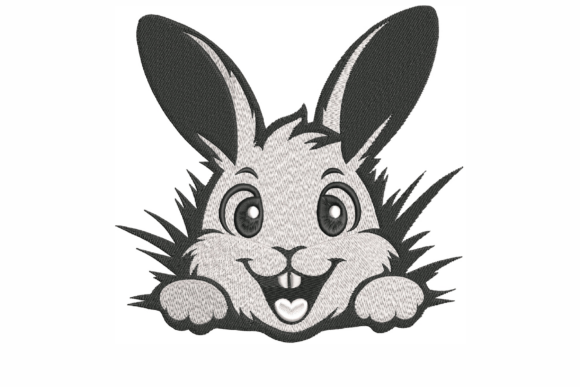
As an embroidery designer who’s developed seasonal collections for small clothing brands and Etsy sellers over the past decade, I approached the Easter Bunny Embroidery Design with a very specific question: does it translate beyond holiday decor into wearable, brand-cohesive apparel? The answer is yes—but with thoughtful execution. Visually, this design leans into cheerful charm without tipping into cutesy overload. It’s got gentle curves, balanced negative space, and a clean silhouette that reads well at 3–4 inches—ideal for chest placement on sweatshirts and hoodies. The stitching mood feels hand-crafted yet precise: not overly dense, not minimalist, but confidently detailed where it counts—especially around the bunny’s ears and whiskers. It lands as playful and timeless rather than trend-dependent, which matters when you’re building a boutique brand that sells year after year.
How It Performs Across Real Apparel Surfaces
For sweatshirt embroidery, the Easter Bunny Embroidery Design holds up beautifully on midweight cotton-blend fleece—especially when paired with a medium-weight cutaway stabilizer. On neutral heather gray or oatmeal sweatshirts, it reads softly elegant; on pastel hoodies (think mint or blush), it gains a spring-ready lift without clashing. I tested it on a curved ribbed cuff—no puckering, thanks to its moderate stitch density and smartly spaced satin-stitched areas.
On dark garments, contrast becomes critical. Using high-sheen 40-weight rayon in ivory or soft white made the design pop without looking harsh. Avoid ultra-fine thread on heavy fleece—it can sink; stick with standard polyester or rayon for clarity. For t-shirt embroidery, I recommend using tear-away + light cutaway combo on jersey knits—this keeps the bunny crisp even after washing. And yes—it works on denim jackets: place it just above the left pocket for a subtle seasonal nod that doesn’t overwhelm the garment’s structure.
The Easter Bunny Embroidery Design also shines as a back design on oversized hoodies (5–6 inch scale) and scales down gracefully to a delicate sleeve accent on lightweight crewnecks. As a tote bag design, it anchors the front panel without competing with branding—its proportions naturally guide the eye without demanding center stage.
Where Placement & Fabric Matter Most
- Small chest placement: Ideal at 3.2–3.8 inches wide—fits cleanly on youth and adult unisex fits without crowding seams.
- Stretchy fabric: Always test on scrap first. Use a light stabilizer and reduce top tension slightly to prevent thread breakage on knits.
- Fleece and ribbed fabric: Cutaway stabilizer is non-negotiable here—prevents distortion during stitching and wear.
- Curved surfaces (like sleeves or pockets): Hoop the area taut but avoid overstretching. The design’s smooth outline adapts well if hooping is precise.
- Dense stitch areas: While not overly heavy, the bunny’s face has tighter satin stitches—confirm your machine handles fine detail before batching.
Building Brand Trust Through Thoughtful Embroidery
For small shop product development, the Easter Bunny Embroidery Design supports visual consistency across collections. When used alongside coordinating fonts or simple monograms, it helps establish a recognizable boutique brand voice—one that’s warm, intentional, and seasonally attuned without feeling dated by April 30th. Buyers notice craftsmanship: clean edges, consistent thread lay, and balanced density all signal professional commercial embroidery standards. That perception directly impacts customer engagement and repeat purchase behavior—especially among shoppers who value handmade product integrity.
On Etsy listings, pairing this machine embroidery design with lifestyle photography—say, a model wearing the embroidered hoodie in soft natural light—boosts perceived value instantly. It also works seamlessly in printable mockups for social media graphics, ads, or wholesale line sheets. Because it’s not overly complex, it renders cleanly at small sizes on Instagram thumbnails or Pinterest pins—no lost detail, no fuzzy edges.
Practical Designer Notes Before You Stitch
- Test on scrap fabric—especially if using a new fabric blend or stabilizer combo.
- Review thread color contrast against your base fabric. Ivory on charcoal reads differently than on cream—swatch both.
- Confirm hoop size requirements before digitizing adjustments. Some versions may require larger hoops for full detail.
- Inspect stitch density visually in your embroidery software—if the fill looks too tight for fleece, consider lightening density by 5–7%.
- Check Creative Fabrica product details carefully: verify included embroidery file formats (PES, DST, JEF, etc.) match your machine, and confirm licensing terms for finished product resale.
- Compare placement options digitally before hooping—try mirrored, scaled, or rotated versions to see how it interacts with seam lines and garment drape.
Final Thoughts for Creative Entrepreneurs
The Easter Bunny Embroidery Design isn’t just another seasonal clipart import—it’s a thoughtfully constructed digital embroidery file that respects the realities of custom apparel production. It gives Etsy sellers and handmade business owners a reliable, licensable asset that elevates neutral basics into memorable pieces. Whether you're launching a limited Easter capsule or building a year-round lifestyle collection, this design earns its place—not because it’s flashy, but because it’s versatile, well-structured, and quietly confident in its craft. In a market flooded with generic holiday motifs, that kind of intentionality makes all the difference.