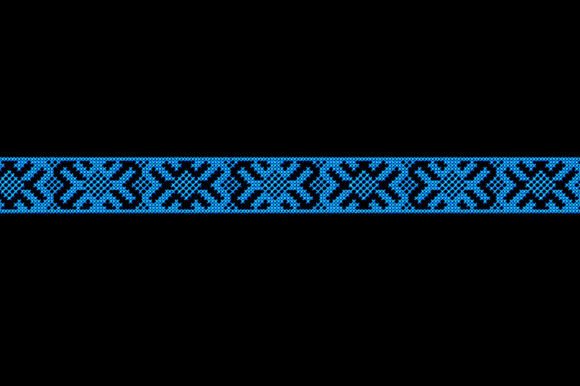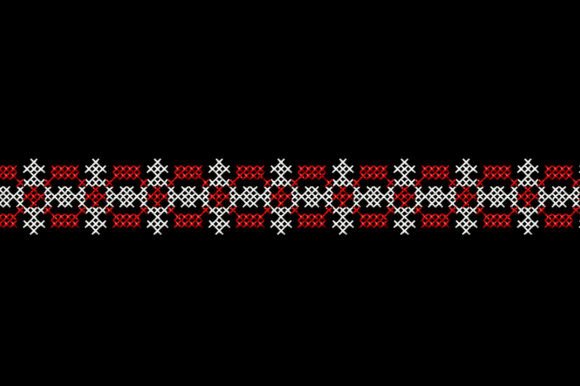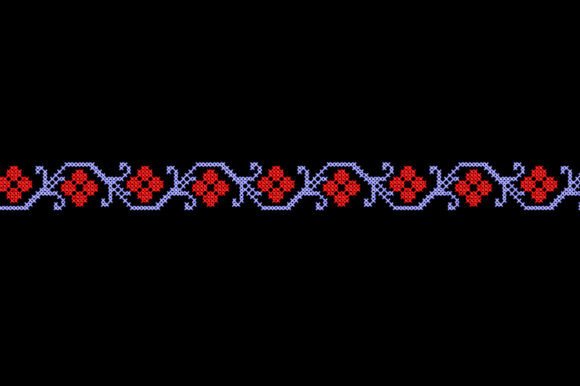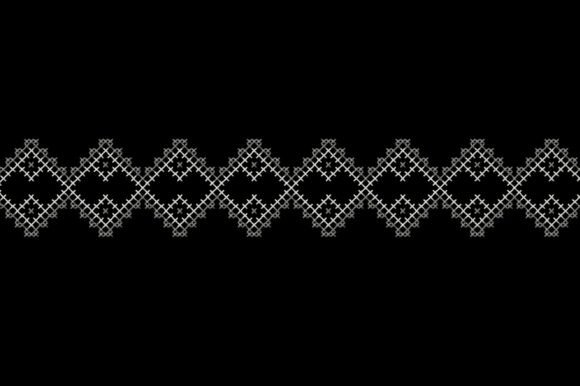
Folk Cross Stitch Border Embroidery
A Designer’s First Glance: Tradition That Feels Alive
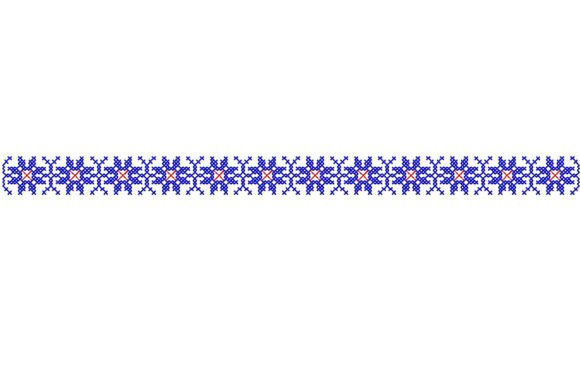
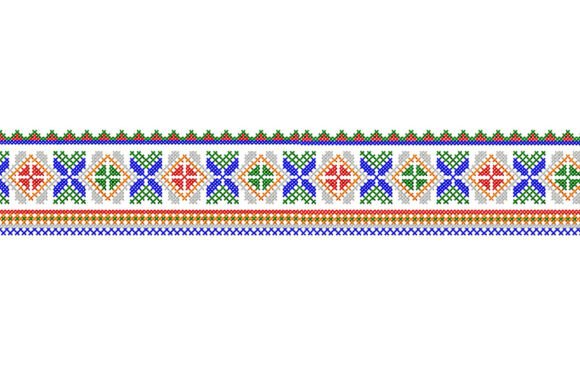
When I opened the Folk Cross Stitch Border Embroidery file, what struck me first wasn’t technical precision—it was mood. There’s a quiet confidence in the line work: rhythmic, grounded, and unmistakably hand-rooted. The two included sizes aren’t just scaled versions; they’re thoughtfully adapted—smaller for delicate cuffs or baby onesies, larger for bold framing on tote bags or pillow covers. This isn’t folk-inspired decoration. It’s folk *language*: repeating motifs that breathe, not repeat; subtle asymmetries that avoid rigidity; and cross-stitch geometry softened by organic spacing. It reads as handmade, even before the needle touches fabric.
Real Project Test: A Linen Tea Towel for a Local Kitchen Boutique
Last week, I stitched the larger Folk Cross Stitch Border Embroidery onto a heavyweight natural linen tea towel—intended for a small-batch kitchen boutique. I used matte cotton thread (ecru on oat) with medium-weight cutaway stabilizer. The result? Instant warmth. Customers didn’t say “nice border”—they paused, traced the outline with their fingers, and asked, “Is this hand-stitched?” That’s the power of intentional folk rhythm. It doesn’t shout. It invites slow looking. For Etsy sellers or craft fair vendors, that pause is conversion.
Where It Shines—and Where to Pause
The Folk Cross Stitch Border Embroidery excels where authenticity and tactile charm matter most:
- Custom apparel: Works beautifully on sweatshirt hems, sleeve cuffs, and pocket flaps—especially on midweight knits and woven cottons. The stitch density feels substantial without stiffness.
- Personalized gifts: Ideal for baby embroidery on bibs or blanket corners, or holiday embroidery on ornament pouches. Its gentle scale avoids overwhelming small items.
- Boutique branding: When stitched on aprons, market totes, or café napkins, it quietly reinforces a handmade, heritage-aligned identity—no logo needed.
- Digital product previews: Renders cleanly in printable mockups. The clean line breaks and consistent motif spacing translate well across light and dark fabric backgrounds.
Use With Intention—Not Assumption
This design rewards thoughtful execution—and reveals limitations fast if rushed:
- Small hoop sizes: The larger version needs at least a 5” x 7” hoop. Don’t force it into a 4” frame—the corner repeats will compress and lose clarity.
- Textured or stretchy fabric: On terry cloth or ribbed knit, test stabilizer first. Too little = puckering; too much = stiffening that fights the design’s soft rhythm.
- Thin or dark fabric: Fine threads can disappear on black linen or voile. Try a contrasting underlay or switch to slightly heavier thread (60wt → 40wt) for definition.
- Curved surfaces: Caps and hats demand careful hooping. The border’s linear flow works best on flat or gently curved planes—not sharply contoured crowns.
- Frequent washing: While cross-stitch motifs hold up well, dense fill areas benefit from quality stabilizer and secure thread trims. Recommend it for low-to-moderate wash cycles unless reinforced.
What It Adds to Your Finished Product—Beyond Aesthetics
Folk Cross Stitch Border Embroidery elevates more than appearance—it shifts perception. On a plain cotton tote bag, it transforms utility into heirloom intention. For an Etsy seller listing personalized baby embroidery, it signals care, not just customization. For a small shop owner sourcing embroidered patch designs, its balanced motif repetition ensures cohesion across product lines—think matching tea towels, aprons, and oven mitts. And because it avoids trendy clutter, it ages gracefully: a holiday embroidery piece stitched today still feels right three years later.
Designer Notes You’ll Actually Use
Before stitching your first real project:
- Test on scrap fabric—same weight, same dye lot, same stabilizer you plan to use. Watch how corners land and how thread tension behaves on your machine.
- Check thread color contrast early. Folk motifs rely on shape and rhythm—not saturation. A low-contrast combo (e.g., charcoal on navy) may read as muddy, not moody.
- Review stitch density visually, not just numerically. Dense satin stitch sections should feel intentional, not congested. If corners look crowded, consider trimming one repeat manually.
- Confirm hoop size compatibility before digitizing for commercial embroidery. Some machines handle large borders better than others—especially with nested corners.
- Inspect small details at 200% zoom: Are tiny crosses fully formed? Do running stitch connectors flow naturally? These are your signature moments.
- Test black-and-white mockups. If it holds character in grayscale, it’ll hold attention on any fabric.
- Verify licensing before selling finished products or reselling the digital embroidery file. This is non-negotiable for craft business owners and digital product sellers.
Final Thought: A Border That Belongs
Folk Cross Stitch Border Embroidery isn’t filler. It’s framing with feeling. Whether you’re stitching a one-off personalized gift or building a cohesive line of embroidered home goods, it offers quiet authority—no loud trends, no forced novelty. It belongs on things people keep, not discard. That’s rare. And for designers, sellers, and makers who build value through authenticity, that’s exactly where this embroidery file earns its place.