Plaid Embroidery Block – Six Sizes
A Timeless Texture That Builds Brand Trust
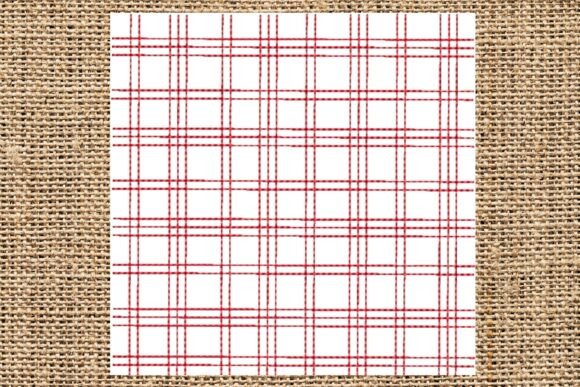
As an embroidery designer who’s developed hundreds of designs for small businesses—from neighborhood bakeries to indie florists and pet boutiques—I immediately recognized the quiet strength in Plaid Embroidery Block – Six Sizes. It’s not flashy, but it’s purpose-built: a clean, geometric plaid fill with crisscrossing diagonal lines that reads as classic, confident, and quietly professional. It doesn’t scream “trendy”—it whispers “trusted.” That makes it ideal for brands building long-term recognition through tactile, handmade product experiences.
Why This Design Fits Real Small Business Needs
Plaid Embroidery Block – Six Sizes shines where consistency and craft matter most. Think embroidered patches sewn onto aprons at a café—its even line weight holds up across dozens of washes without fraying or losing definition. Picture it as a sleeve accent on staff uniforms for a boutique: the subtle rhythm of the plaid adds visual cohesion without competing with logos or names. On tote bags for a local studio? It grounds the design, giving hand-drawn typography or minimalist icons a sturdy, textured backdrop. As a cap front motif for a pet brand? The bold geometry reads clearly at arm’s length—even when scaled to 2.5 inches—and avoids the “flat” look of solid fills.
This isn’t just decorative—it’s functional branding. When customers see the same refined plaid pattern across your aprons, packaging tags, and event merch, they subconsciously register continuity. That builds trust. And because it’s categorized under Backgrounds, it integrates seamlessly into layered embroidery files—pairing effortlessly with monograms, shop names, or custom icons without visual clutter.
Where It Performs Best (and Where to Pause)
For embroidered patch production, Plaid Embroidery Block – Six Sizes excels at medium to large sizes (3"–4.5") on twill or felt. Its open structure minimizes stitch density—critical for patches that need flexibility and drape. On caps, use the larger sizes (3.5"+) for front panels; smaller versions risk losing legibility on curved crowns. For apron embroidery or tote bag design, the mid-range sizes offer optimal balance: enough texture to feel intentional, but enough breathing room to avoid visual fatigue.
Use caution on highly textured fabrics like bouclé or thick canvas—the diagonal lines may blur if stabilizer isn’t matched precisely. Dark uniforms demand high-contrast thread colors (e.g., cream on navy); test stitching first to ensure clarity. Avoid pairing it with ultra-fine lettering or tight outlines—this is a background workhorse, not a detail-focused motif. And while it’s versatile, don’t force it into tiny spaces: below 1.75", the crisscross rhythm starts to collapse unless digitized with extra care.
How It Strengthens Your Brand Identity
In a sea of generic vector graphics and overused patterns, Plaid Embroidery Block – Six Sizes delivers authenticity. Its handmade precision—visible in consistent line spacing and balanced negative space—signals attention to craft. That elevates perceived product value, especially for Etsy sellers and creative studios positioning themselves as premium, small-batch makers.
It also supports visual consistency across touchpoints. Use the same size and thread palette for your staff’s cap embroidery, your wholesale tote bag design, and the woven label inside your product packaging—and you’ve built a unified brand language. Customers begin to associate that plaid rhythm with your business, much like how tartan signals heritage or houndstooth implies sophistication. That kind of recognition compounds over time, turning casual buyers into loyal advocates.
Practical Designer Notes for Commercial Use
Before committing to bulk production, here’s what I always do with Plaid Embroidery Block – Six Sizes:
- Test in black and white first—to confirm contrast and spacing hold up without color distraction;
- Check the smallest patch size you plan to use (e.g., 1.5" for keychain tags)—does the plaid still read as intentional, or does it become muddy?
- Review thread color contrast against your fabric swatches—not just on screen;
- Inspect spacing between diagonal lines at each size—tight spacing increases stitch density and may require heavier stabilizer;
- Confirm hoop size compatibility with your embroidery machine’s standard frames;
- Test on real fabric, not just tear-away stabilizer—especially for stretch knits or soft cottons;
- Use proper stabilizer: cutaway for knits, medium-weight tear-away for stable wovens, and fusible for lightweight linens;
- Create a printable mockup for client approval—show it on actual garment photos, not just white backgrounds;
- Compare it beside your other design assets: does it harmonize with your logo, icon set, and typography—or clash in rhythm or weight?
- Confirm commercial licensing before using it on merchandise sold to end customers—this is essential for any digital embroidery file used in commercial embroidery or small business merch.
Final Thought: Texture With Intention
Plaid Embroidery Block – Six Sizes isn’t about filling space—it’s about adding meaning through texture. In an era where consumers choose brands that feel human and grounded, this machine embroidery design delivers quiet confidence. Whether you’re embroidering a single apron for your handmade soap studio or producing 200 branded tote bags for a community event, it performs with reliability, elegance, and unmistakable craft. Just remember: its power lies in restraint. Let it support your story—not tell it. Use it thoughtfully, test thoroughly, and let that classic plaid rhythm become part of your brand’s tactile signature.